Diabetes Prevention 101
Diabetes Prevention 101
Your Guide to Preventing Diabetes and Avoiding Its Consequences

Preventing Diabetes: Key Lifestyle Changes
To prevent or reduce the risk of developing diabetes, especially type 2, consistent healthy lifestyle changes are crucial. One of the most effective steps is maintaining a healthy body weight. Excess body fat, particularly around the abdomen, increases insulin resistance, making it harder for the body to regulate blood sugar. Research shows that even modest weight loss can make a significant difference—losing 5% to 7% of total body weight can improve insulin sensitivity and lower diabetes risk. Achieve this through balanced eating and regular physical activity, not extreme diets.
Quitting smoking is another vital factor. Smoking disrupts insulin function and promotes inflammation, contributing to insulin resistance. Smokers are at higher risk for type 2 diabetes than non-smokers. Quitting restores metabolic health and reduces risks for related conditions like heart disease and stroke.

Physical activity is essential for prevention. Regular exercise helps muscles use glucose efficiently, lowering blood sugar levels. Aim for at least 30 minutes of activities like brisk walking, cycling, swimming, or sports most days. This also aids weight management and cardiovascular health.

Dietary choices matter too. Opt for meals rich in whole grains, vegetables, fruits, lean proteins, and healthy fats to provide nutrients and avoid blood sugar spikes. Limit sugary foods, refined carbs, and processed snacks to ease pancreatic strain. Stay hydrated with water and avoid sugary drinks for stable glucose control.

Don't overlook sleep and stress management. Poor sleep and chronic stress disrupt hormones regulating blood sugar and appetite, raising diabetes risk. Prioritize rest and use techniques like mindfulness or hobbies to manage stress for better metabolic health.

By focusing on healthy weight, quitting smoking, staying active, eating balanced meals, and managing stress and sleep, you can significantly lower your diabetes risk and enhance overall well-being.

Consequences of Untreated Diabetes
If diabetes is not managed properly and individuals neglect their health, the outcomes can be severe and long-lasting. Diabetes disrupts blood sugar control, and prolonged high levels damage organs and systems. What starts as a manageable condition can become life-altering if ignored.
One major consequence is damage to the heart and blood vessels. Elevated blood sugar raises risks of heart attacks, strokes, and hypertension. Over time, glucose harms vessels, making them rigid and prone to blockages, especially in those with unhealthy habits.

Kidney damage is another serious issue. Kidneys filter blood waste, but high sugar strains them, potentially leading to failure and requiring ongoing treatment.

Nerve damage (neuropathy) is common too. High blood sugar harms nerves, causing numbness, pain, or loss of sensation in hands and feet, complicating daily activities and increasing injury risks.
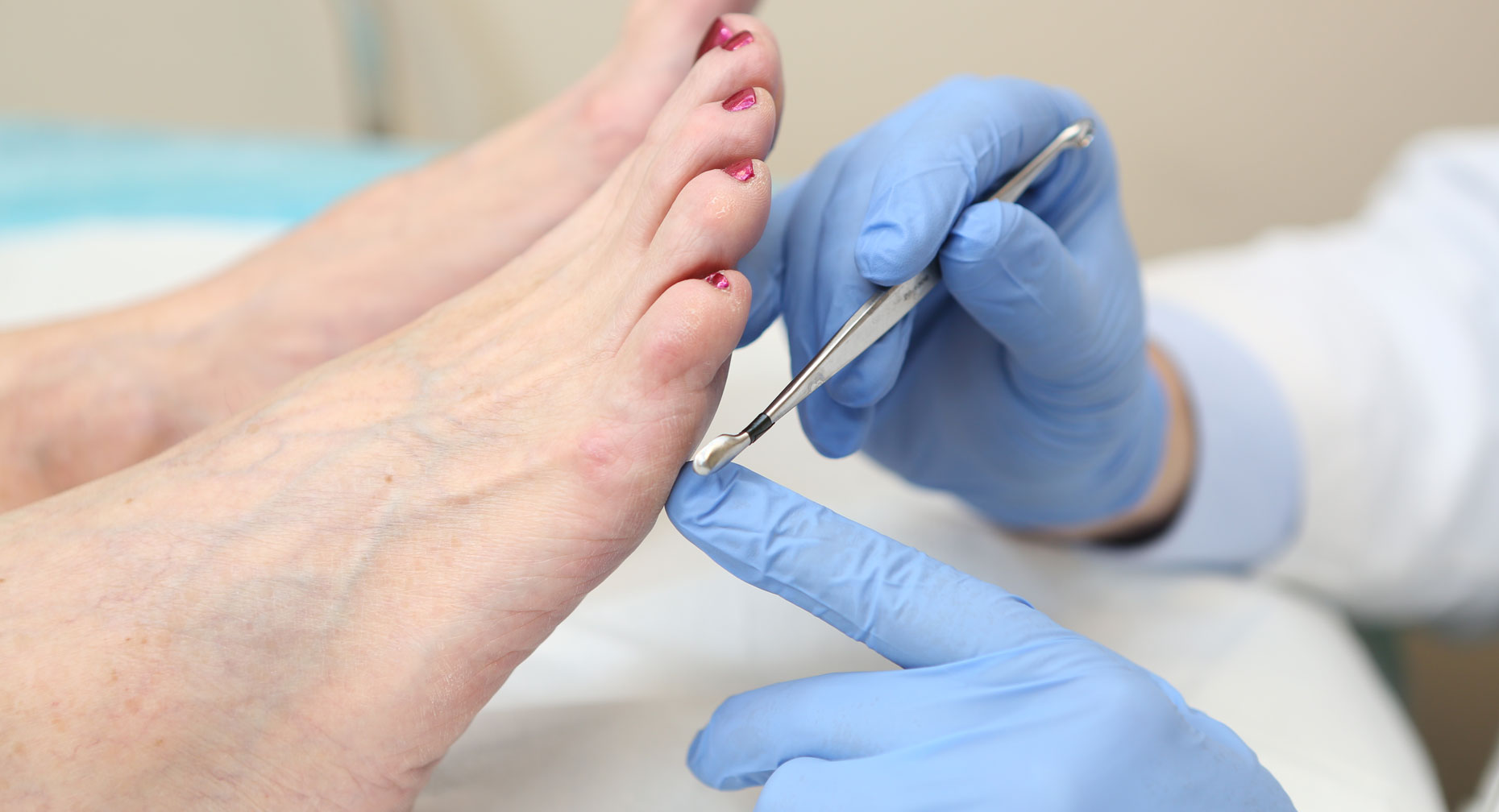
Vision problems can occur as well. Diabetes damages eye blood vessels, resulting in blurred vision or, in severe cases, permanent loss. Symptoms may go unnoticed until significant harm occurs.

Untreated diabetes weakens the immune system, slowing wound healing and raising infection risks, leading to frequent medical visits. It also causes fatigue, concentration difficulties, and mood changes, affecting work, studies, and mental health.
Being health-conscious means awareness and responsibility, not fear. Regular check-ups, healthy eating, exercise, and medical adherence can prevent these complications. Ignoring diabetes turns a controllable issue into a serious, life-altering problem. Awareness and timely care protect long-term health and quality of life.

Comments
Post a Comment