Let's Talk Diabetes: A Wake Up Call
Let's Talk Diabetes: A Wake Up Call
Empowering you with knowledge to prevent, manage, and live well with diabetes.
What is Diabetes?
Diabetes is a chronic condition that affects millions worldwide, yet many people remain unaware of its impact, symptoms, and how to manage it. This blog post aims to raise awareness about diabetes, providing essential information to help you understand the disease, recognize its signs, and take proactive steps toward prevention and control. Whether you're newly diagnosed, supporting a loved one, or simply curious, knowledge is your first line of defense.
Diabetes is a metabolic disorder characterized by high blood sugar levels (hyperglycemia) due to the body's inability to produce or effectively use insulin. Insulin is a hormone produced by the pancreas that regulates blood sugar by allowing glucose to enter cells for energy. Without proper insulin function, glucose builds up in the bloodstream, leading to potential complications like heart disease, kidney damage, nerve issues, and vision problems.
According to the World Health Organization (WHO), over 422 million people globally have diabetes, with numbers rising due to lifestyle factors like poor diet and lack of exercise. Awareness campaigns, such as World Diabetes Day on November 14, highlight the need for education and early intervention.
Types of Diabetes
There are several types of diabetes, each with distinct causes and management approaches:
Type 1 Diabetes
An autoimmune condition where the immune system attacks insulin-producing cells in the pancreas. It often develops in childhood or young adulthood and requires lifelong insulin therapy. It's not preventable and accounts for about 10% of cases.

Type 2 Diabetes
The most common form (90% of cases), where the body becomes resistant to insulin or doesn't produce enough. It's strongly linked to lifestyle factors like obesity, inactivity, and poor diet. It can often be managed or prevented through diet, exercise, and medication.
Gestational Diabetes
Occurs during pregnancy when hormonal changes affect insulin sensitivity. It usually resolves after delivery but increases the risk of Type 2 diabetes later in life for both mother and child.

Other Types
Include monogenic diabetes (genetic mutations) and secondary diabetes from conditions like pancreatitis or certain medications.
Common Symptoms
Diabetes symptoms can develop gradually, making early detection crucial. Key signs include:
- Frequent urination (polyuria)
- Excessive thirst (polydipsia)
- Unexplained weight loss
- Increased hunger (polyphagia)
- Fatigue
- Slow-healing sores
- Blurred vision
- Tingling or numbness in hands/feet (neuropathy)
If you experience these symptoms, consult a healthcare professional for testing, such as fasting blood glucose or HbA1c tests.
Causes and Risk Factors
While genetics play a role, lifestyle and environmental factors are major contributors:
- Type 1: Primarily autoimmune and genetic; triggers may include viral infections.
- Type 2: Obesity, sedentary lifestyle, unhealthy diet (high in sugars and processed foods), family history, and age (over 45).
- General Risks: Ethnicity (higher in certain groups like African Americans, Hispanics, and Native Americans), high blood pressure, and polycystic ovary syndrome (PCOS).
Preventing Type 2 diabetes involves maintaining a healthy weight, eating balanced meals, and staying active—aim for at least 150 minutes of moderate exercise weekly.

Prevention Strategies
Diabetes isn't always preventable, but proactive steps can reduce risk:
Diet
Focus on whole foods—vegetables, fruits, whole grains, lean proteins, and healthy fats. Limit sugary drinks and refined carbs. Tools like the glycemic index can guide choices.

Exercise
Regular physical activity improves insulin sensitivity. Walking, cycling, or strength training are effective.

Weight Management
Losing even 5-10% of body weight can lower risk if overweight.

Screening
Get tested regularly, especially if you have risk factors. Early detection through programs like the CDC's National Diabetes Prevention Program can help.

Management and Treatment
Managing diabetes involves a personalized approach:
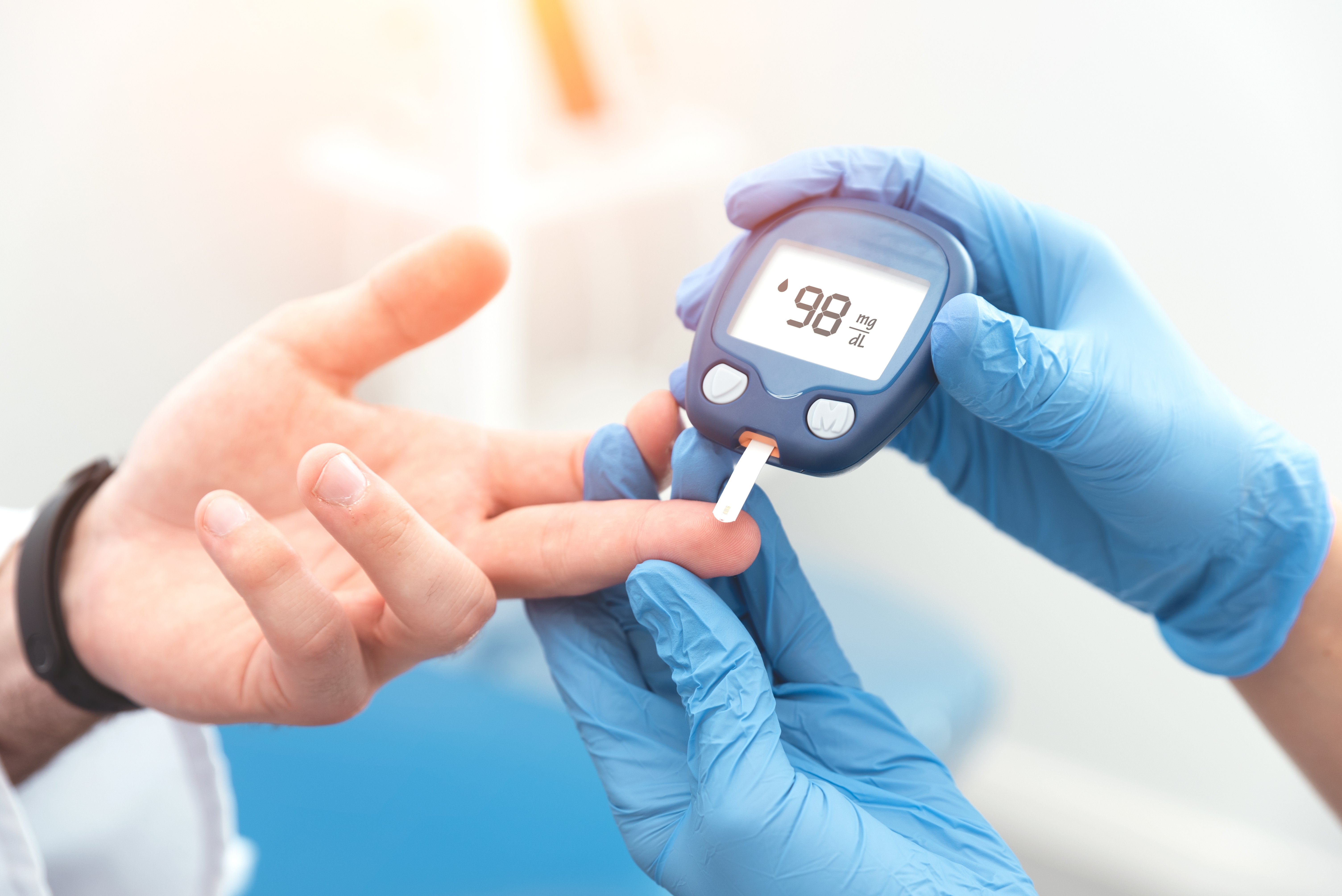
- Monitoring: Regular blood sugar checks, often with glucometers or continuous glucose monitors (CGMs).
- Medications: Insulin for Type 1; oral meds like metformin for Type 2; sometimes injectables like GLP-1 agonists.
- Lifestyle Changes: Balanced diet, exercise, stress management, and avoiding smoking/alcohol excess.
- Complications Prevention: Annual check-ups for eyes, kidneys, feet, and heart health. Vaccines and foot care are essential.
- Support: Join communities like the American Diabetes Association (ADA) for resources, education, and emotional support.
Emerging treatments, such as smart insulin pumps and artificial pancreas systems, offer hope for better control.
Raising Awareness: Why It Matters
Diabetes awareness saves lives by promoting early diagnosis and reducing stigma. Myths—like diabetes being caused solely by sugar intake—need debunking. Educate yourself and others: Share this post, participate in awareness events, and advocate for better access to care. Remember, diabetes doesn't define you; with knowledge and support, you can live a full life.
If you're concerned about diabetes, talk to a doctor today. For more resources, visit the WHO or ADA websites. Stay informed, stay healthy! What questions do you have? Leave a comment below.


Comments
Post a Comment